Energy levels, physical endurance, and mental clarity are deeply tied to one overlooked physiological system: diaphragmatic breathing.
In Santa Monica and Los Angeles—where professionals balance demanding careers with active lifestyles—chronic fatigue is often attributed to stress or workload. However, dysfunctional breathing mechanics driven by poor posture are a major underlying factor.
Optimizing diaphragm function is one of the most powerful yet underutilized strategies for restoring energy, improving posture, and enhancing performance.
What Is the Diaphragm?
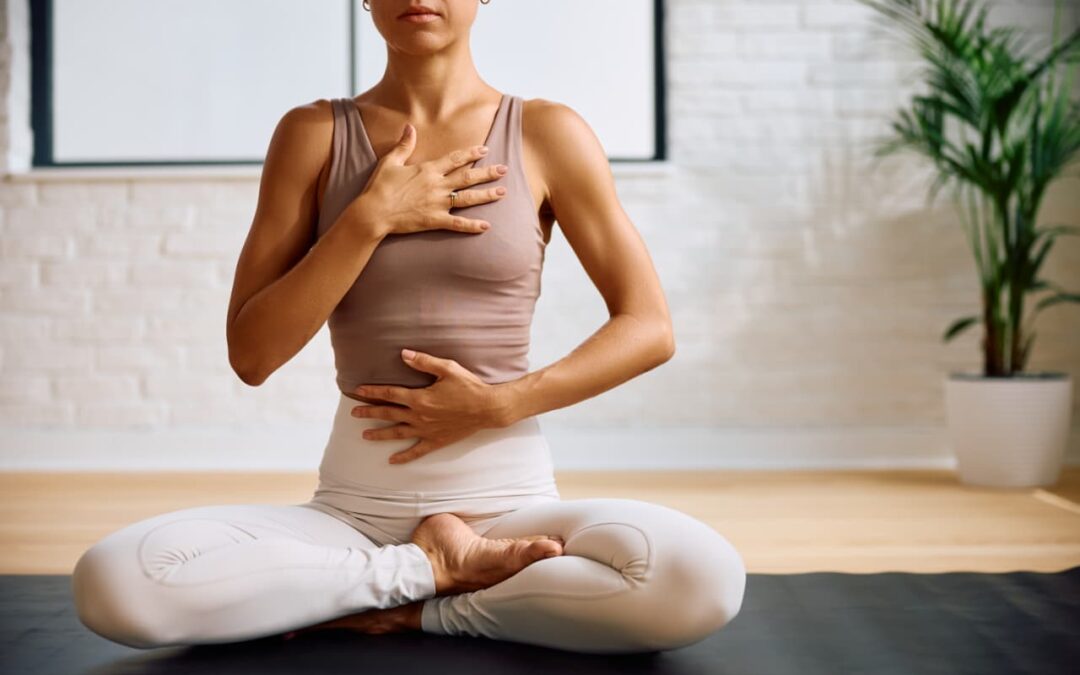
The diaphragm is a dome-shaped muscle located beneath the lungs, responsible for approximately 80% of breathing function.
When functioning properly, it:
- Expands the lungs fully
- Stabilizes the core
- Regulates oxygen intake
- Supports spinal alignment
Posture’s Impact on Breathing
Poor posture—common among Los Angeles desk workers—compresses the diaphragm.
Forward head posture and rib collapse reduce lung expansion capacity, forcing reliance on shallow chest breathing.
Chest Breathing vs Diaphragmatic Breathing
Breathing Type | Impact |
Chest breathing | Fatigue, tension |
Diaphragmatic | Energy, calmness |
Chest breathing overactivates neck and shoulder muscles, increasing tension headaches and posture strain.

Why LA Professionals Experience Energy Depletion
Key drivers include:
- Long seated workdays
- Screen posture compression
- Chronic stress activation
- Poor ergonomic setups
Santa Monica entrepreneurs and creatives often operate in sympathetic nervous system dominance—burning energy inefficiently.
The Nervous System Connection
Diaphragmatic breathing stimulates the parasympathetic nervous system—responsible for recovery and energy restoration.
Benefits include:
- Reduced cortisol
- Improved sleep
- Mental clarity
- Emotional regulation
Core Stability & the Diaphragm
The diaphragm works synergistically with:
- Pelvic floor
- Transverse abdominis
- Multifidus muscles
Together, they stabilize the spine.
Poor breathing weakens core integrity—contributing to lower back pain.
Structural Therapy Integration
Posture clinics in Santa Monica incorporate breathing retraining alongside alignment therapy.
Treatment includes:
Rib cage expansion work
Thoracic Mobility Therapy
Breath Sequencing Drills
Neuromuscular Retraining
Athletic Performance Benefits
Optimized diaphragm function improves:
- Endurance
- Oxygen efficiency
- Recovery speed
- Strength output
Los Angeles athletes increasingly integrate breathwork into training protocols.
Signs of Diaphragm Dysfunction
- Shallow breathing
- Neck tension
- Fatigue
- Anxiety
- Poor posture endurance
Energy Restoration Through Breath Training
Patients often report:
- Increased daily energy
- Reduced brain fog
- Improved focus
- Better sleep quality
At-Home Breathing Optimization
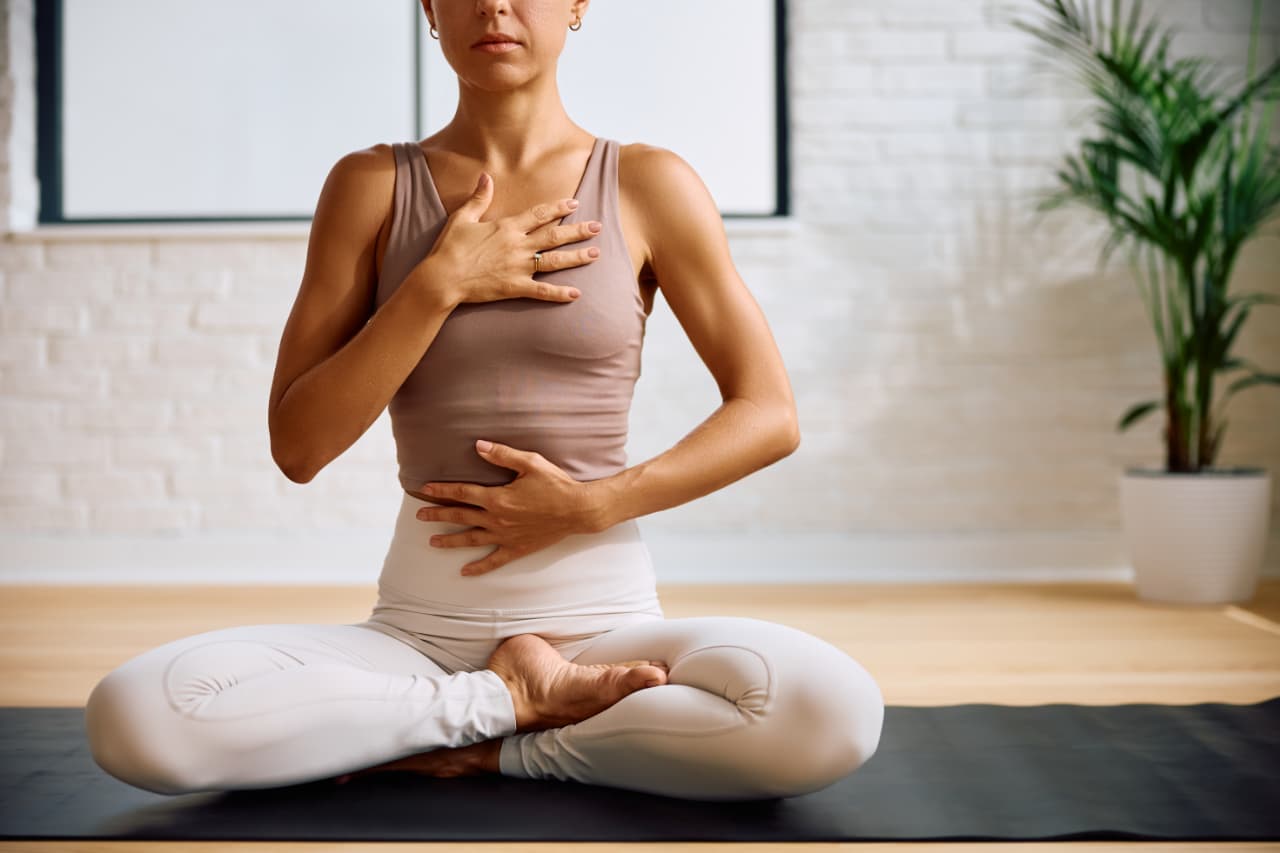
- Supine diaphragmatic breathing
- Nasal breathing drills
- Rib cage mobility work
- Posture correction exercises
Final Perspective
Energy is not just metabolic—it’s respiratory and structural.
For Los Angeles and Santa Monica patients, restoring diaphragm function unlocks improved vitality, posture stability, and neurological balance.