Fascia has recently become a popular topic in the wellness and fitness world. As the conversation around fascia grows, it’s important to understand what fascia actually is and what role it truly plays in the body.
To simplify it, we can think about fascia in terms of two key roles: a primary role and a secondary role.
⸻
Fascia’s Sensory Role
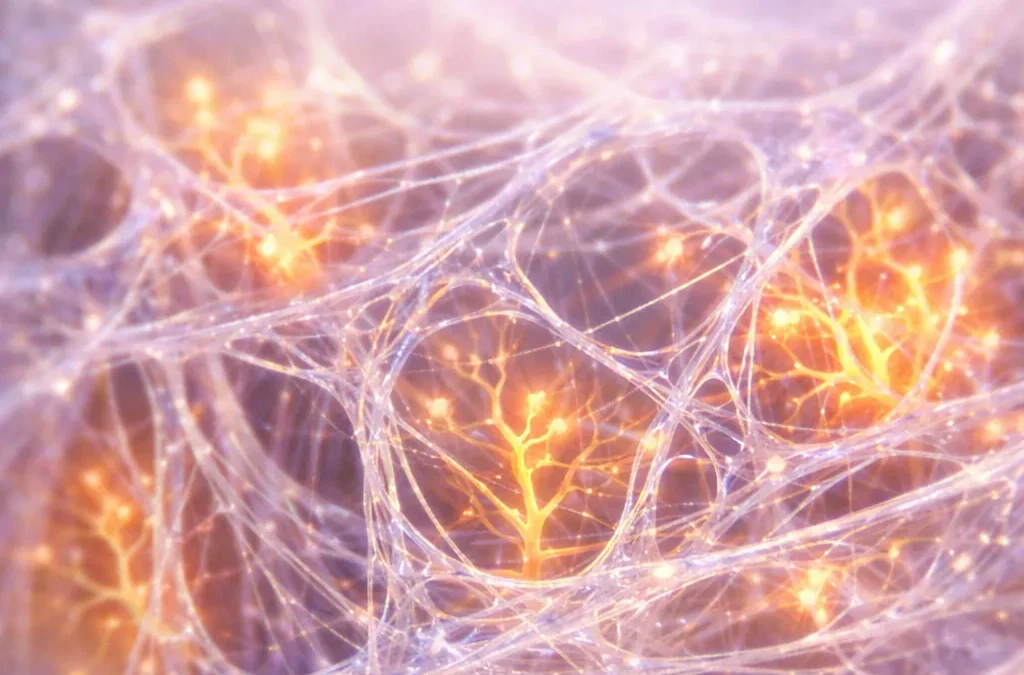
Fascia is not just a passive wrapping around muscles — it is rich in sensory receptors that communicate continuously with the nervous system. Because of this, fascia is increasingly recognized by researchers as one of the body’s largest sensory organs.
Why Fascia Is So Sensory
Fascial tissue contains a large number of mechanoreceptors and nociceptors, which are specialized nerve endings that detect changes within the body. These receptors send constant feedback to the brain about what is happening in the tissues.
This allows the nervous system to monitor:
Body position (proprioception)
Movement and joint loading
Tissue tension and pressure
Pain or irritation signals
This sensory feedback helps the brain coordinate movement and maintain balance throughout the body.
Types of Sensory Receptors in Fascia
Several types of receptors are embedded within fascial tissue:
Ruffini endings
These receptors respond to sustained pressure and stretching of the tissue. They also play a role in calming the nervous system and regulating muscle tone.
Pacinian corpuscles
These receptors detect rapid changes in pressure and vibration, helping the body sense movement and dynamic changes in the tissues.
Golgi-type receptors
These receptors respond to strong tension within connective tissue and help regulate muscle activity.
Free nerve endings
These receptors detect pain and irritation when tissue becomes inflamed or stressed.
Why This Matters for Movement
Because fascia contains so many sensory receptors, it plays a major role in body awareness and movement control.
The brain relies on this information to:
- Coordinate muscle activity
- Adjust posture and balance
- Protect joints and tissues from excessive stress
In other words, fascia helps the brain feel what is happening inside the body.
⸻
Understanding Fascia Clearly
While fascia plays important sensory and structural roles, it is important not to assign functions to fascia that belong to other systems.
Fascia does not store emotions or memories, and it does not actively contract like muscle tissue.
At Posture Lab LA, fascia is understood as part of a larger neuromuscular system, where the nervous system, muscles, and connective tissues all work together to support movement and stability.
When this system functions well, fascia can do what it was designed to do:
sense, support, and help organize the body’s structure.
Live long. Live well.