The Contrast Therapy Protocol: How to Use Sauna and Cold Plunge for Maximum Recovery
Recovery· 7 min read· August 20, 2026
Contrast therapy — alternating between a hot sauna and a cold plunge — has gone from niche performance protocol to mainstream recovery practice. But most people doing it are improvising. They spend a random amount of time in the sauna, do a quick dip in cold water, and wonder why they don't feel the dramatic results others describe.
The protocol matters. The timing, the temperature, the number of rounds, and what you do between rounds all affect how much you get out of the session. This is the complete guide to doing it right.
What contrast therapy is actually doing
When you sit in a hot sauna, your blood vessels dilate. Blood floods toward the surface of your skin and into your peripheral muscle tissue. Your heart rate increases, your core temperature rises, and your body is working hard to regulate heat. This is the vasodilation phase.
When you move into a cold plunge, your blood vessels constrict rapidly. Blood is pushed back toward your core. Your heart rate drops, your nervous system shifts, and the norepinephrine and dopamine response kicks in. This is the vasoconstriction phase.
The alternation between these two states — rapid vasodilation followed by rapid vasoconstriction — creates the vascular pump effect that makes contrast therapy so effective. Your circulatory system is being forced to flush at a dramatically higher rate than normal, accelerating both the delivery of recovery resources and the clearance of inflammatory waste.
You need multiple rounds for this effect to compound. One round gives you a taste. Three rounds gives you the full response.
Temperature: what you need to make it work
Sauna temperature: 150°F+ is the effective range for full-spectrum infrared. Your tissue temperature needs to rise meaningfully — not just your skin, but 1–2 inches into the muscle. This takes time, which is why session length matters.
Cold plunge temperature: 38–45°F. This range is cold enough to trigger the full vasoconstriction response, the norepinephrine spike, and the nervous system reset that make cold plunging effective. Above 55°F, you're not triggering the full physiological response. Our suites run at 38–45°F — this is the sweet spot.
The protocol: round by round
Before you start
Hydrate. You're about to sweat significantly. If you're coming in post-workout and already somewhat dehydrated, drink 16–24 oz of water before you begin. Bring water into the suite with you.
Round 1 — the deepest and longest
Sauna: 15 minutes
The first round is the longest because it takes time for your core temperature to rise meaningfully and for vasodilation to fully establish. Sit comfortably, breathe slowly, and let the infrared heat do its work. You'll start sweating within 3–5 minutes. By minute 10–12, you should feel the deep muscular warmth that distinguishes infrared from surface-level heat. Stay through minute 15.
Cold plunge: 2–3 minutes
Enter the cold plunge slowly and deliberately. Submerge to the neck. The first 20–30 seconds are the hardest — your body's instinct is to gasp and pull out. Stay with it. Focus on slow, controlled nasal breathing. By 45 seconds, the shock subsides and you'll enter a calmer state. Stay for the full 2–3 minutes.
The first 20–30 seconds in the cold plunge are the hardest. By 45 seconds, the shock subsides. Stay with it — that's where the benefit begins.
If you're new to cold plunging, start at 60–90 seconds and build across sessions.
Rest: 5 minutes
Exit the cold plunge and rest at room temperature. This rest period is when your body integrates the temperature shift. Sit, breathe, drink water.
Round 2
Sauna: 12 minutes
Your body is already warm from round 1, so you'll reach full vasodilation faster. 12 minutes is sufficient for round 2. This round often feels the most comfortable — you're acclimated, you're not rushing, and the heat feels genuinely therapeutic.
Cold plunge: 2–3 minutes
Same protocol as round 1. The second plunge usually feels easier than the first.
Rest: 5 minutes
Round 3 — close on cold
Sauna: 10 minutes
The third sauna round can be slightly shorter. You've accumulated significant heat exposure across the session.
Cold plunge: 2–3 minutes
The final round ends on the cold plunge. This is deliberate. Finishing on cold leaves you in a state of vasoconstriction with elevated norepinephrine and dopamine — you'll walk out alert, clear-headed, and with your inflammation response managed.
Do not shower with hot water immediately after. Give yourself 10–15 minutes before warming up.
Run the full protocol in a private suite. Joe's Posture Reset has two private sauna and cold plunge rooms in Santa Monica. 50–60 minute sessions. From $45.
Book Your SessionVariations based on your goals
For pure performance recovery: Run all three rounds as described. End on cold. Prioritize hydration and a protein-containing meal within 60 minutes of finishing.
For stress and sleep: Extend the sauna rounds slightly (15-15-12 minutes) and consider finishing on warm rather than cold. The longer heat exposure produces a more pronounced relaxation response that improves sleep onset.
For chronic pain and fascial tightness: Add gentle stretching during the second sauna round. The fascia is maximally pliable at elevated temperature — combining passive stretching with infrared heat produces significantly greater range of motion gains than either approach alone. Pairing it with Neuro-Fascia Massage accelerates this further.
For beginners: Two rounds instead of three is completely fine. Start with shorter cold plunge exposure (60–90 seconds) and build across sessions.
How often should you do contrast therapy?
For active people using it as regular training recovery: 2–3 times per week is the sweet spot for most. Frequent enough to maintain consistently lower baseline inflammation and notice the cumulative mood and energy benefits.
For people managing chronic pain or in heavy training blocks: daily use is appropriate and safe. Some of our most consistent members come in every morning.
For people using it primarily for stress and sleep: once or twice per week, ideally in the evening for sleep benefits or mid-day for stress reset.
Where to do it in Santa Monica
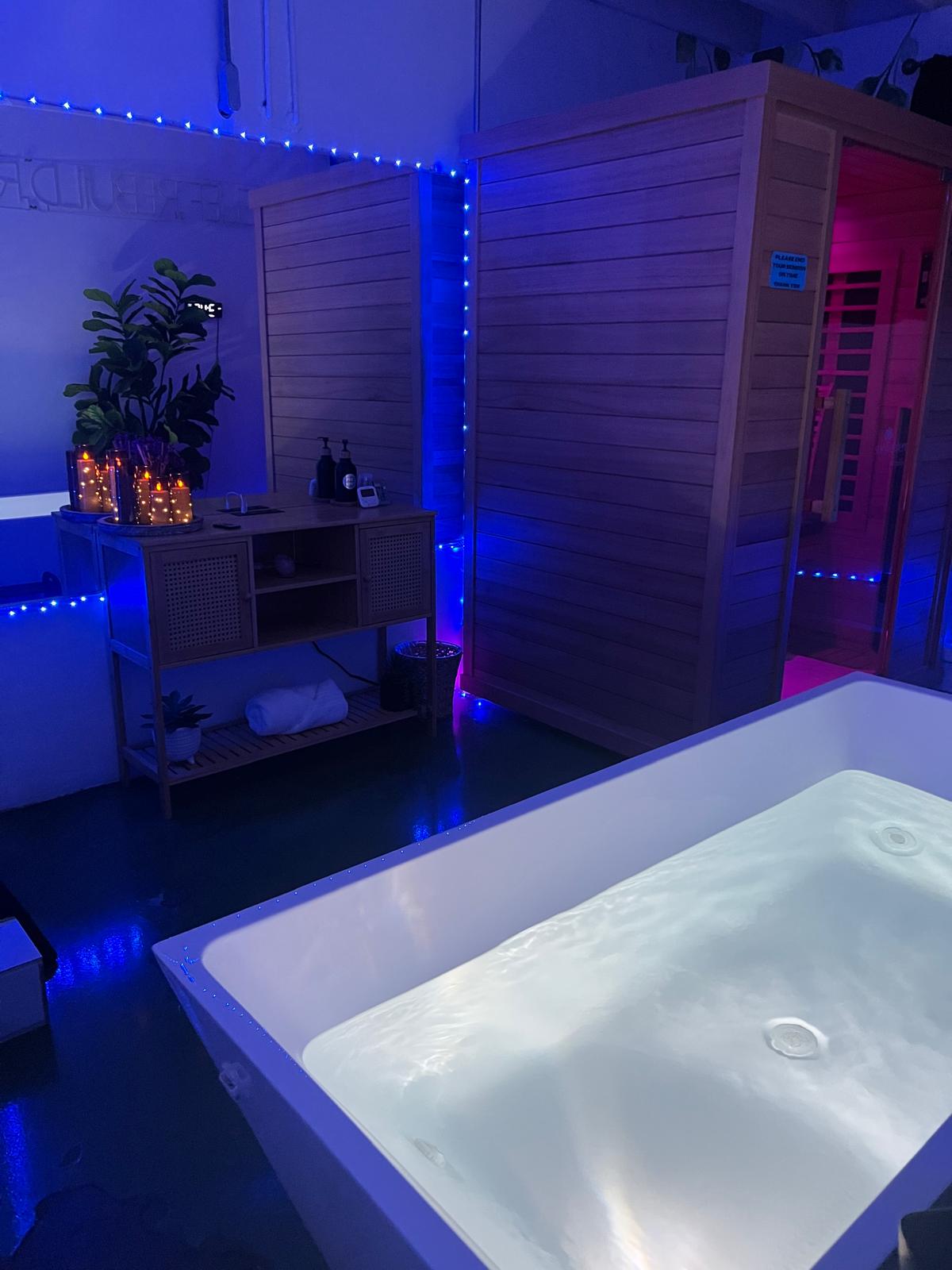
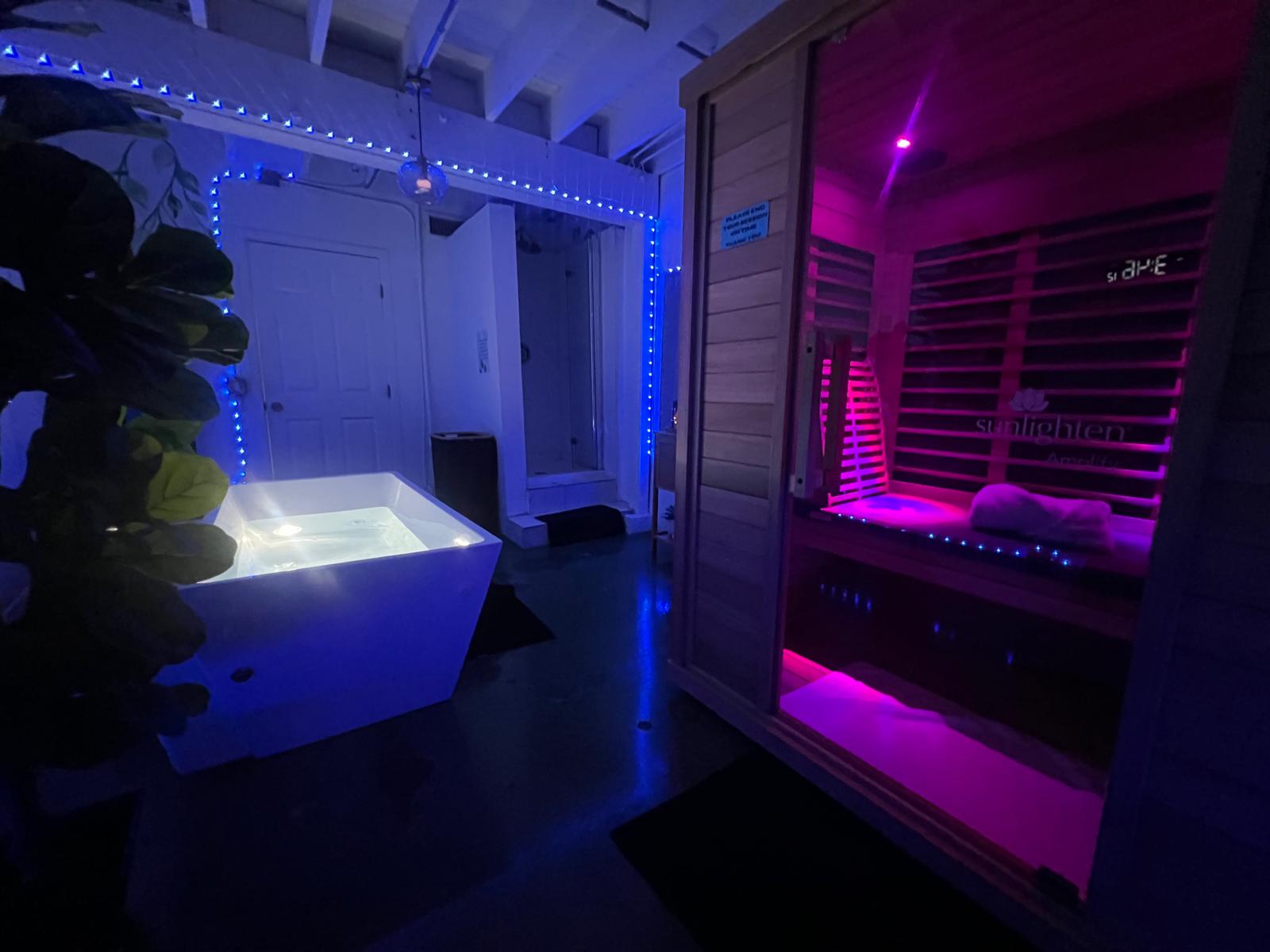
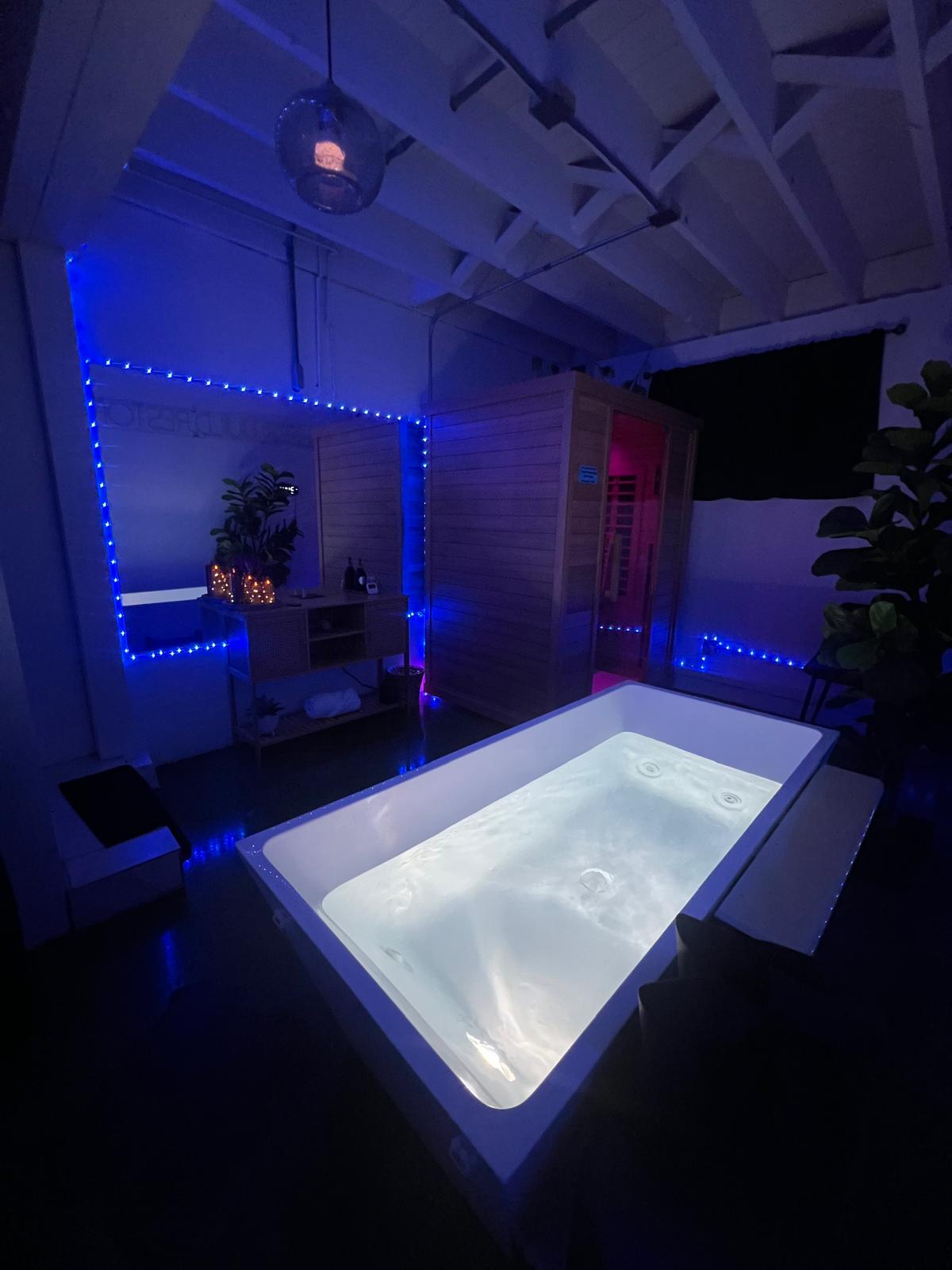
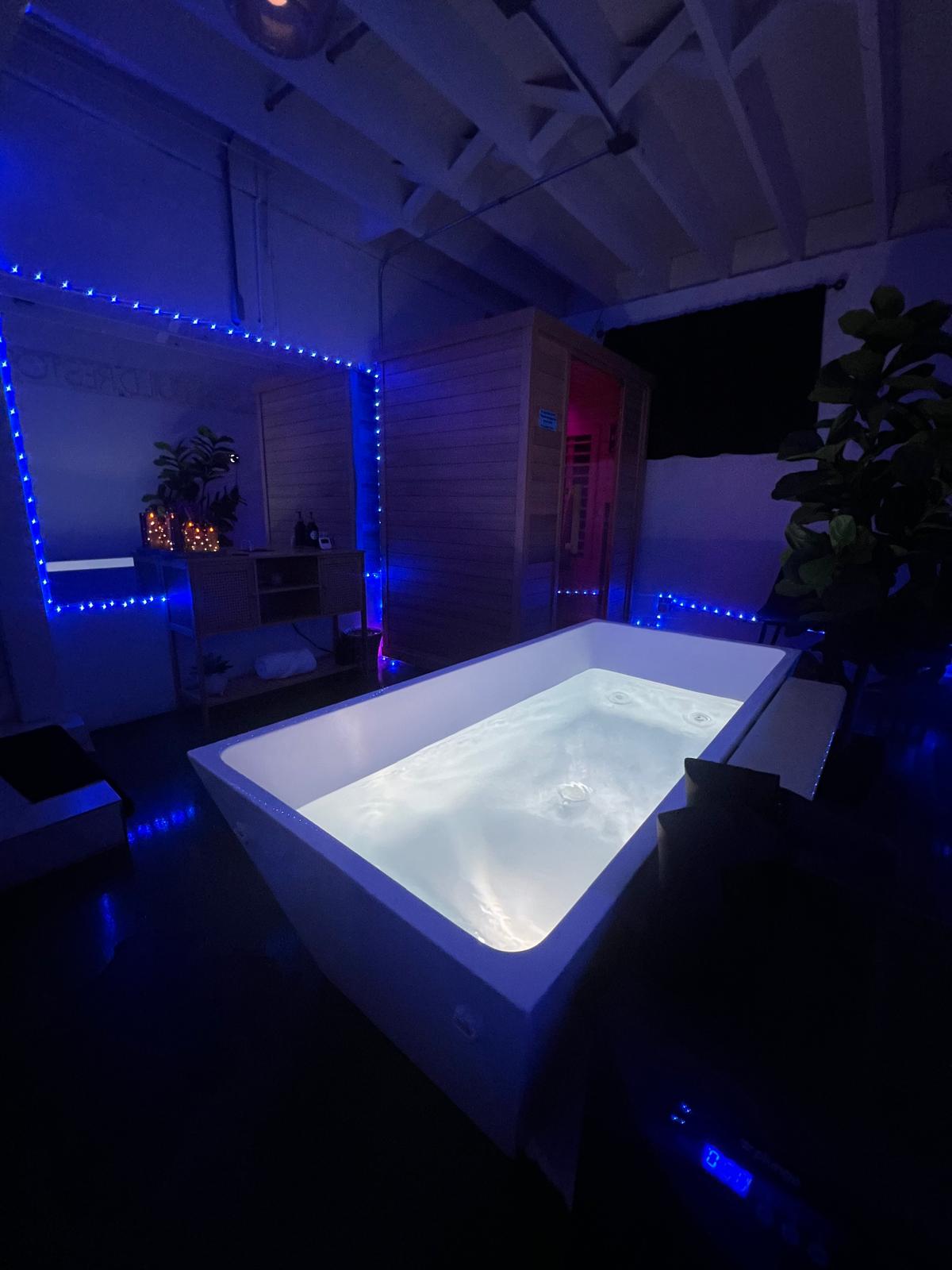
Joe's Posture Reset has two fully private contrast therapy suites on Pico Blvd in Santa Monica — each with a Sunlighten full-spectrum infrared sauna and a cold plunge at 38–45°F. Your suite is yours alone for the full session. No queue, no strangers, no time pressure.
Single sessions are $45. Monthly memberships start at $125 for four sessions per month, up to unlimited access for $225 per month.
Open Monday through Friday 8am to 7pm, Saturday and Sunday 9am to 5pm.