Sauna and Cold Plunge After a Workout: Does It Actually Help?
Recovery· 8 min read· August 11, 2026
If you train seriously — whether that's lifting, running, surfing, cycling, CrossFit, or any combination — you've probably heard people talking about sauna and cold plunge as recovery tools. What was once reserved for elite athletes and Scandinavian spa culture has gone mainstream. And for good reason: the science behind it is solid, the results are real, and it's one of the most time-efficient recovery interventions available.
But there's also a lot of noise around it. People do ice baths wrong. They skip the sauna. They plunge for thirty seconds and call it done. They don't understand what they're actually trying to accomplish physiologically — so they don't get the results they're looking for.
This is the practical guide. What happens in your body after a hard training session, why sauna and cold plunge address those things specifically, how to actually do it, and what to watch out for.
What your body is dealing with after training
To understand why contrast therapy helps, you need to understand what a training session actually does to your body at the tissue level.
Microtrauma. Resistance training and high-intensity cardio create small amounts of damage in muscle fibers — that's the mechanism by which adaptation and growth occur. This is normal and intentional. But the repair process requires robust blood flow delivering oxygen, amino acids, and growth factors to the damaged tissue, and equally robust clearance of the metabolic waste produced during intense effort.
Inflammation. The body's response to microtrauma is acute inflammation — a flood of inflammatory cytokines and immune cells to the affected area to manage repair. In the short term, this is healthy and necessary. When it becomes chronic or poorly managed, it accumulates across training sessions, leading to persistent soreness, decreased range of motion, and elevated injury risk.
Neural fatigue. Hard training doesn't just tax your muscles — it taxes your central nervous system. Repeated maximal or near-maximal efforts deplete neurotransmitter resources and leave your CNS in a fatigued state that can persist for 24 to 72 hours after training. This is why recovery days feel necessary even when your muscles don't feel particularly sore.
Fascial tension. High-intensity training under load compresses and stiffens the fascial system — the connective tissue web that surrounds and connects every muscle and structure in your body. Chronically tight fascia restricts range of motion, reduces the efficiency of subsequent training sessions, and is a primary driver of overuse injuries.
What the sauna does for your post-workout body
Vasodilation and blood flow. Heat causes your blood vessels to dilate, dramatically increasing peripheral blood flow. This floods your muscles with the oxygen and nutrients needed for repair while simultaneously flushing out the waste products — lactate, hydrogen ions, inflammatory cytokines — that accumulate during training. The muscular soreness you feel 24 to 48 hours after training is significantly influenced by this clearance process. The faster the clearance, the less pronounced the soreness.
Fascial release. Infrared sauna heat penetrates deeper into tissue than conventional dry or steam sauna. At 150°F+, fascia becomes significantly more pliable — its viscosity drops, it softens, and the chronic tension that builds up under training load begins to release. For athletes who carry chronic tightness in the hips, hamstrings, calves, or thoracic spine, this is often the fastest relief available outside of hands-on bodywork.
Heat shock proteins. As your core temperature rises, your body produces heat shock proteins — molecular chaperones that protect against cellular damage and directly support muscle repair. HSP70 has been shown to reduce exercise-induced muscle damage and accelerate recovery timelines.
Cardiovascular conditioning. Regular sauna use has been shown to produce cardiovascular adaptations similar to moderate aerobic exercise — increased plasma volume, improved cardiac output, reduced resting heart rate. For athletes, this is essentially bonus conditioning without additional mechanical load on the joints and muscles.
What the cold plunge does
Vasoconstriction and the inflammatory response. Cold immersion causes rapid vasoconstriction — the narrowing of blood vessels — which dramatically reduces blood flow to the peripheral tissues. This acts as a brake on the inflammatory response, limiting excessive swelling and the chronic inflammatory accumulation that leads to persistent soreness across training blocks.
Norepinephrine spike. A 2–3 minute cold plunge at 38–45°F triggers a norepinephrine release of 200–300% above baseline. Norepinephrine is a neurotransmitter and hormone that improves focus, mood, and alertness — and is a primary driver of the post-plunge mental clarity that regular users describe as the most noticeable immediate effect.
Dopamine elevation. Cold exposure produces a sustained dopamine increase that can persist for several hours after the plunge. Unlike the dopamine spike from food or social media — which peaks fast and crashes — cold-induced dopamine rises gradually and holds. For athletes dealing with the mood dip that can accompany heavy training loads, this is meaningfully beneficial.
Central nervous system reset. The shock of cold immersion activates the vagus nerve and triggers a parasympathetic nervous system response that counteracts the sympathetic load of training. It helps your nervous system shift from high-alert training mode into recovery mode. This transition is one of the most underappreciated aspects of post-training protocol.
Why contrast therapy — alternating the two — is more effective than either alone
The research is fairly consistent here: alternating between heat and cold produces better recovery outcomes than either modality in isolation.
The mechanism is called the vascular pump effect. Each time you move from sauna to cold plunge, your blood vessels go from maximally dilated to maximally constricted. This rapid cycling acts like a mechanical pump on your circulatory system — dramatically increasing the turnover of blood through your muscle tissue, accelerating both the delivery of recovery resources and the clearance of waste products.
Three rounds of sauna → cold plunge → rest. That's 45–60 minutes that changes what the next 24 hours feel like.
Three rounds of sauna → cold plunge → rest is the standard contrast protocol. Each round takes approximately 15–20 minutes. That's 45–60 minutes total — which is why the Recovery Room sessions at Joe's Posture Reset are structured as 50–60 minute appointments. It's enough time to do the full protocol properly.
Does timing matter? Before or after training?
Post-training. That's the clear answer for recovery purposes.
Sauna before training can serve as a warm-up and improve neuromuscular readiness, but doing a full contrast protocol before a training session will leave you fatigued, dehydrated, and potentially reduce your performance ceiling.
One important nuance: if your primary training goal is muscle hypertrophy, some research suggests that cold plunging immediately after may blunt the acute inflammatory response that's part of the muscle-building signal. In that case, waiting 4–6 hours before plunging may be preferable. For most people focused on performance, recovery, and how they feel — the recovery benefits of full contrast therapy outweigh it.
Ready to try it? Book a private sauna and cold plunge session at Joe's Posture Reset in Santa Monica. Sessions from $45. Two private suites, no shared equipment, no queue.
Book Your SessionWhat most gym sauna and cold plunge setups get wrong
Most gyms in Santa Monica either have no sauna at all, or have a single shared dry sauna that gets heavily used during peak hours. Shared saunas present time pressure that prevents you from running a proper protocol — you're aware that people are waiting. You cut the round short. You don't run the full protocol. You don't get the full benefit.
Cold plunge access at gyms is even rarer. And when it exists, it's usually a shared ice bath with variable temperature and questionable consistency.
Private suites solve all of this. You control the protocol. You take the time you need. You're not watching the clock because someone's waiting.
How to do it at Joe's Posture Reset
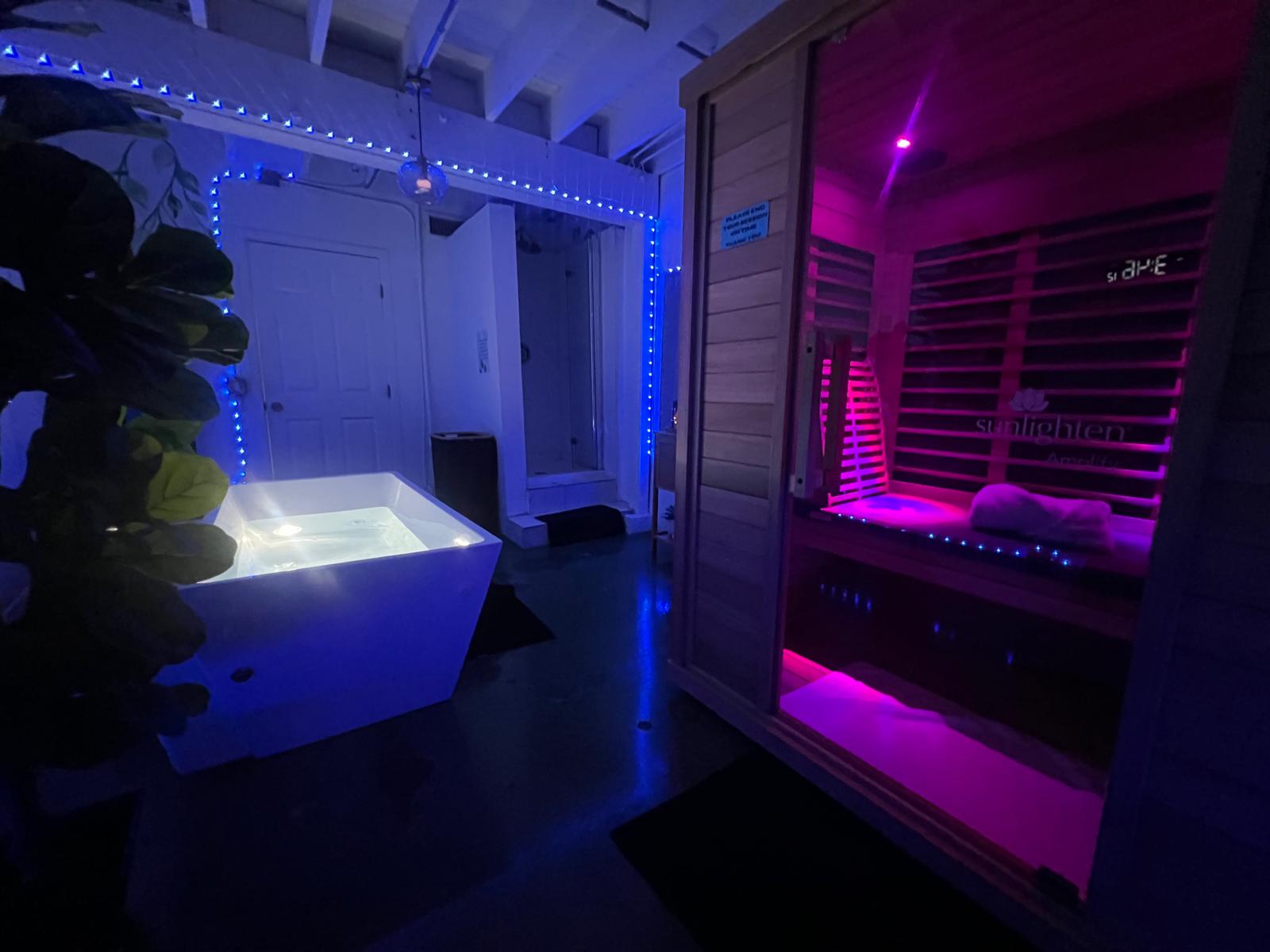
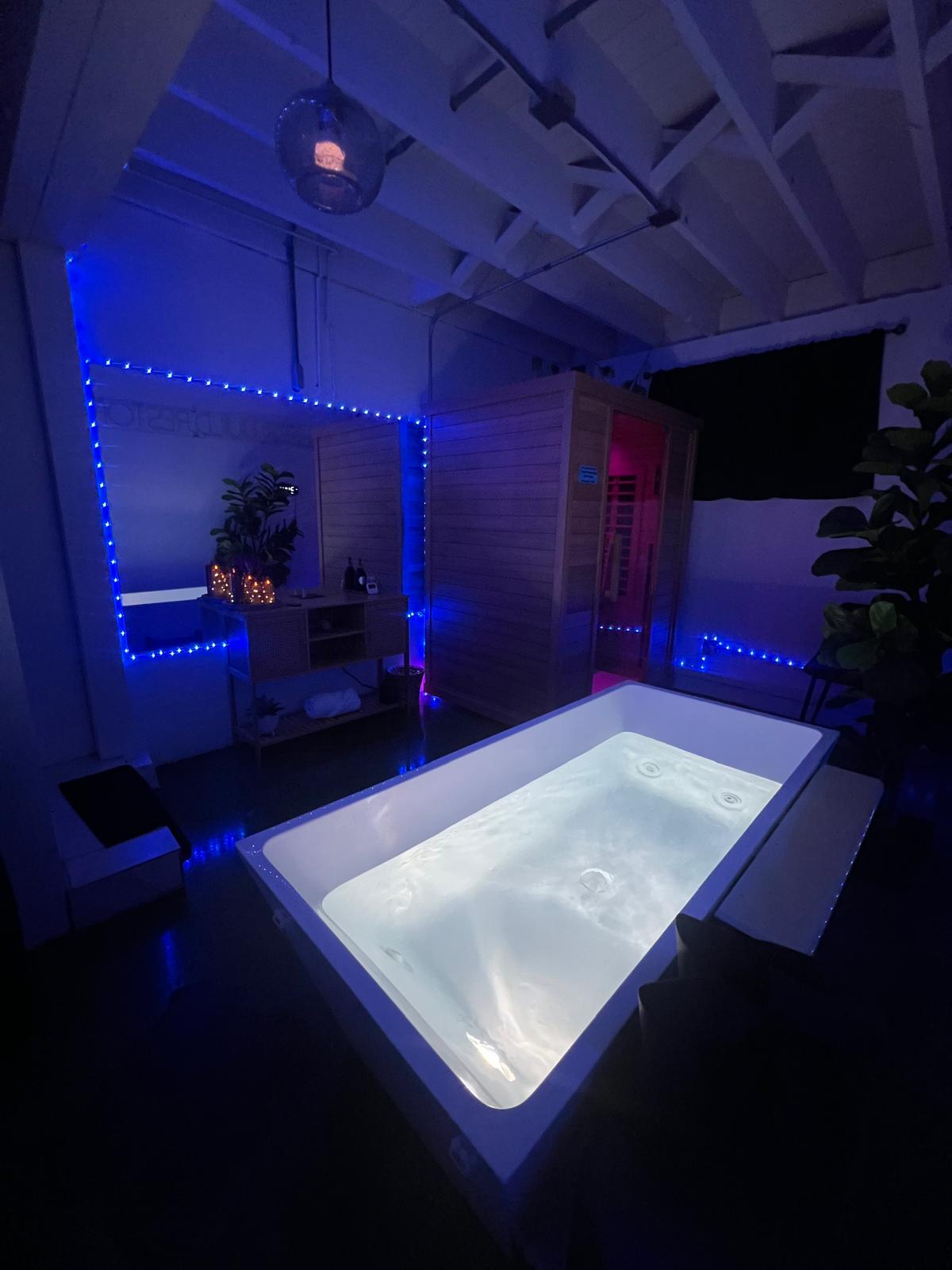
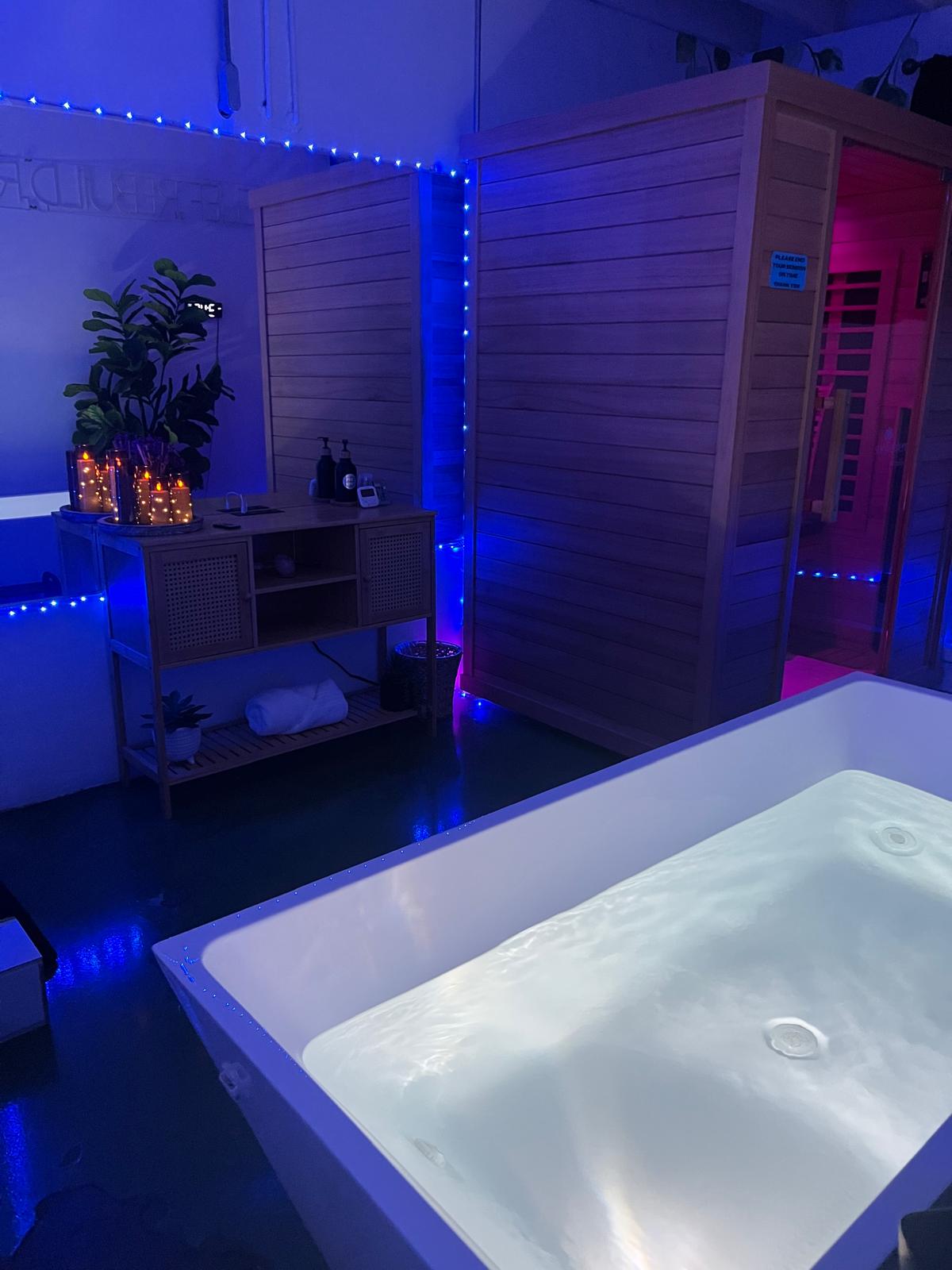
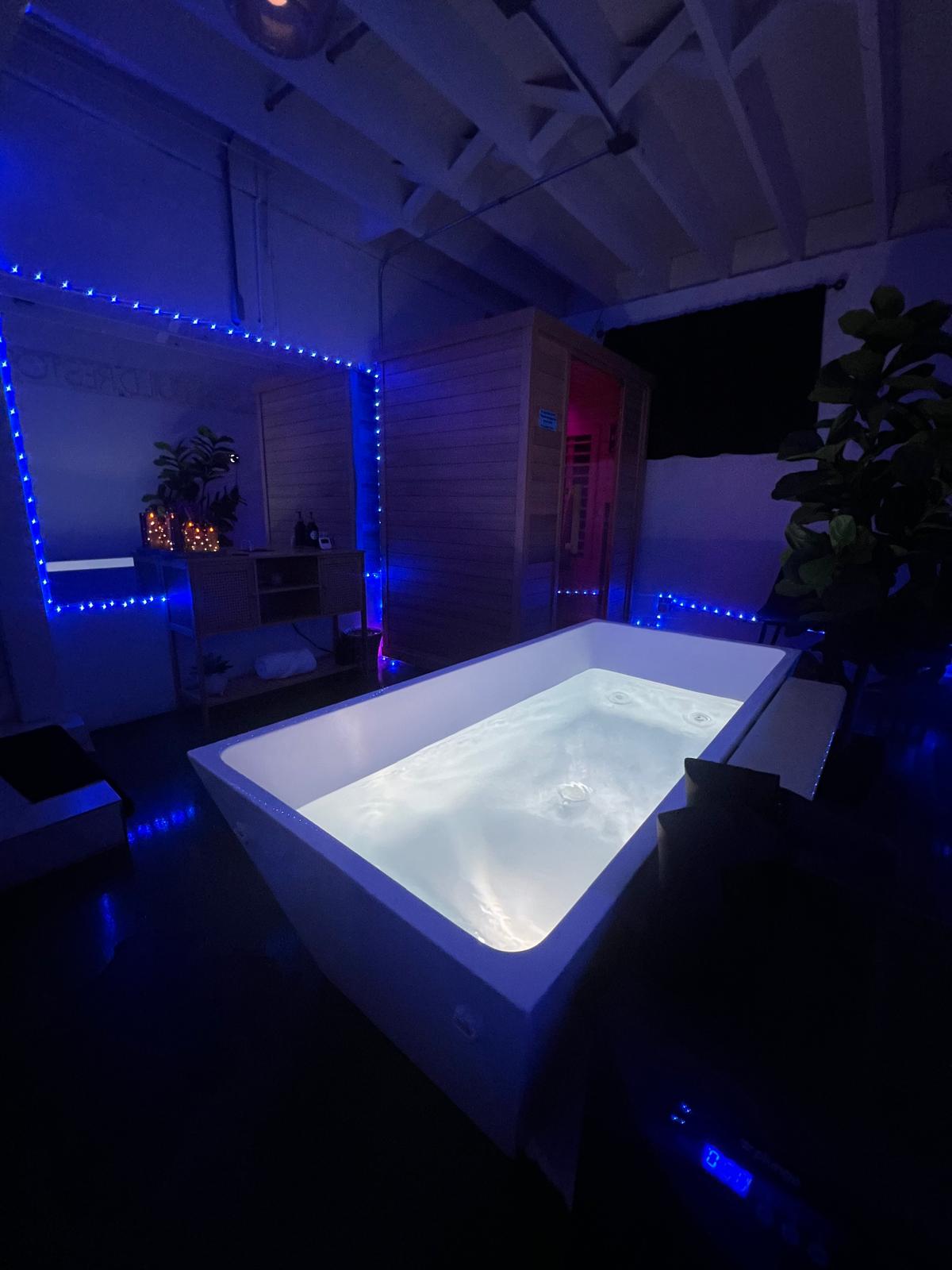
Our two Recovery Suites on Pico Blvd in Santa Monica are each a fully private room with a Sunlighten infrared sauna and a cold plunge. You book a 50–60 minute appointment, come in after your workout, and run the full contrast protocol on your own clock.
Here's the protocol we recommend for most people:
Round 1
15 minutes in the infrared sauna → 2–3 minutes in the cold plunge → 5 minutes rest
Round 2
12 minutes in the sauna → 2–3 minutes cold plunge → 5 minutes rest
Round 3
10 minutes sauna → 2–3 minutes cold plunge → finish
Drink water throughout. Most people feel the difference within the first session. The soreness that would normally peak 24–36 hours after a hard training day is noticeably reduced, sleep that night is often deeper, and the mental clarity that follows the cold plunge is real.
Single sessions are $45. If you're training consistently and want regular access, our 2x per week monthly membership is $145 — which works out to about $18 per session. See the full gym recovery guide for how it fits around your training week.